Registered Massage Therapy
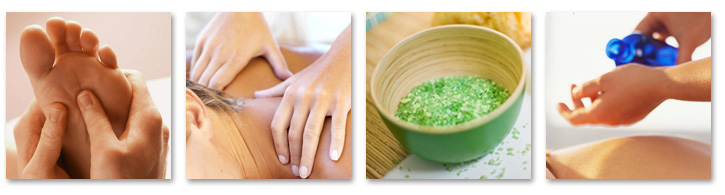
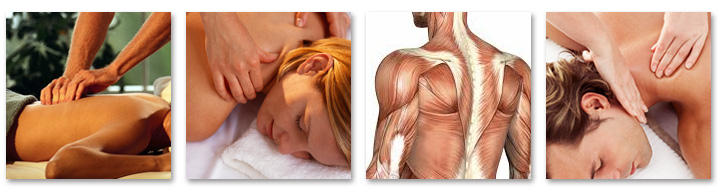
We provide therapeutic and relaxational registered massage therapy
This includes prenatal massage, sports and deep tissue massage, massage for the elderly and for children.
Our clinic accepts WSIB claims. Please let us know at the time of booking.
Important Updates – Effective December 1, 2025
Direct Billing: A valid credit card on file is required for direct billing for any outstanding balances not covered by your insurance provider. Claims are submitted within 24 hours, and receipts will be emailed to you.
Online Booking: A credit card is required to book online. You may pay with a different method at your appointment if you prefer.
No-Show & Late Cancellations: Credit cards on file will be used for no-show or late cancellation fees. Cancellations must be made at least 8 hours in advance to avoid a $45 fee.
Thank you for your understanding.
We also offer direct billing to the following insurance plans:
| Belairdirect (formerly Johnson) | Cowan | |
| Beneva Inc | Desjardins | |
| Blue Cross | Empire | |
| Canada Life | Equitable | |
| Canada Life PSHSP | GMS Carrier 50 | |
| Chamber of Commerce Group Ins | Green Shield | |
| Cinup | GroupHealth | |
| ClaimSecure | Industrial Alliance | |
| Coughlin & Assoc | Johnston Group | |
| Manion | Simply Benefits | |
| Manulife Financial | SSQ Ins | |
| MDM Ins Services | Sunlife | |
| People Corporation | Telus Adjudicare | |
| RWAM Ins | Union Benefits |
What is massage therapy?
Massage therapy is the manipulation of the soft tissues of the body including muscles, connective tissue, tendons, ligaments and joints.
It helps alleviate the soft tissue discomfort associated with everyday and occupational stresses, muscular over-use and many chronic pain conditions. If employed early enough after accidents involving trauma and injury, massage can greatly reduce the development of painful muscular patterning.
Massage improves stress management and is widely used to help obtain relief from chronic tension and pain in muscles, to improve circulation, to increase flexibility in the joints and reduce mental and physical fatigue.
It will relieve muscle tightness especially the back and neck area where most of us store tension. Muscles can become so contracted that they press on nerves to the arms, hands and legs, causing pain, tingling and numbness. Massage can release muscle spasm and tightness to bring relief.
What to expect when you come in for a massage
When you first come in for a massage, you will be asked to fill out a confidential general information sheet. Your massage therapist will then ask you some questions since there are conditions for which massage is not appropriate. For a body massage, you can choose between undressing to your comfort level or wearing your underwear. Your massage therapist will give you privacy to undress, and you will be fully covered through your session except for the area being worked on.
You will relax on a massage table that is designed for stability and comfort. Pillows or bolsters can be used to make your position comfortable. The room will be warm, quiet, and with gentle music in the background.
A massage oil or lotion will be used to ease friction and will absorb well in case you have other commitments after the massage.
The massage will start gently to calm your nervous system and begin to release superficial tension. Gradually, your massage therapist works more deeply into the tissues and addresses specific areas.
Your therapist will help you understand that ultimately your body has the capacity to heal itself and will work with you to learn how you can become part of this healing process.
Make yourself comfortable and relax. Your therapist may move or adjust your body at certain times or will let you know what is needed. You can change your position at any time to make yourself more comfortable. Many people just close their eyes and relax, others prefer to talk. Do not hesitate to ask questions.
After massage you should feel relaxed. Give yourself time to slowly get up. Many people experience freedom from pain and aches that have built over months of tension. After an initial period of feeling slowed down, many people experience an increase in energy that can last for days.
Questions?
Please call us at 519-434-3946 or send us an email - info@massagetherapycentre.com.
We look forward to hearing from you!